| Back to main
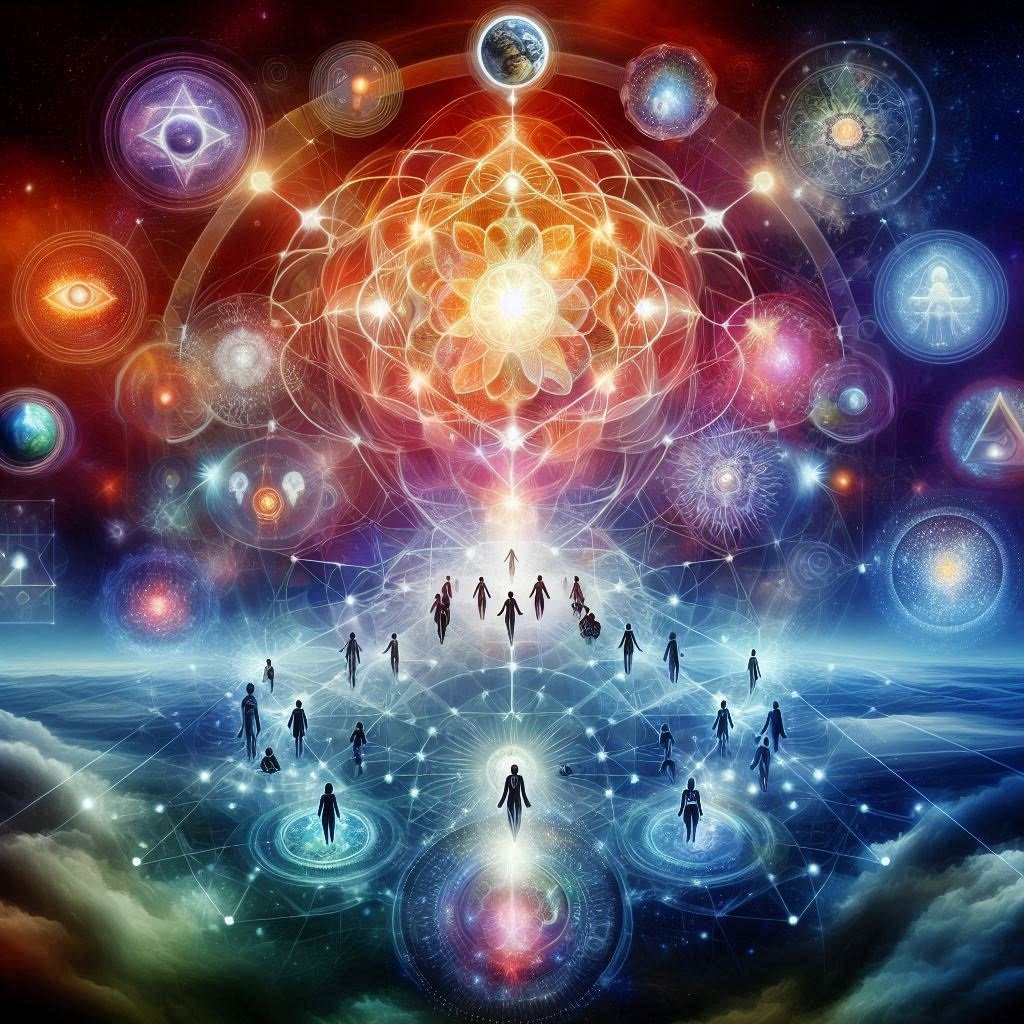
The Importance of Valuing All LifeAt the heart of Syntrism is the belief that all life exists within a deeply interconnected web of relationships. Human beings, animals, plants, and ecosystems are not isolated entities competing for existence, but participants within a shared living system. Every organism contributes to the balance and continuity of life in ways both visible and unseen. Syntrism teaches that to value life fully, we must move beyond narrow human-centered thinking and recognize the intrinsic importance of all living beings. Modern society often treats life according to usefulness or economic value. People may exploit ecosystems, neglect vulnerable populations, or dismiss animals and plants as lesser forms of existence. Syntrism challenges this mindset by emphasizing interdependence. The health of forests affects climate, climate affects agriculture, agriculture affects communities, and communities shape human well-being. Harm done to one part of the system eventually ripples outward into the whole. Valuing all life is therefore not only ethical, but necessary for long-term balance and survival. Syntrism teaches that compassion should extend beyond humanity alone. Animals experience pain, fear, social bonds, and forms of intelligence unique to their species. Plants sustain ecosystems, regulate the atmosphere, and provide the foundation for countless forms of life. Recognizing the importance of non-human life cultivates humility. Human beings are not separate rulers of the Earth, but participants within a vast ecological network that existed long before civilization and will continue after it. Caring for all life also transforms how people relate to one another. A society that respects animals and ecosystems often becomes more compassionate toward human beings as well. Empathy strengthens through practice. When people learn to care for vulnerable creatures, preserve habitats, and respect natural systems, they develop habits of patience, responsibility, and awareness that extend into human relationships. Syntrism sees compassion as systemic rather than selective. Another key aspect of Syntrism is the understanding that diversity strengthens systems. Ecosystems thrive through variety, balance, and cooperation among many forms of life. Human societies function similarly. Different cultures, perspectives, species, and environments contribute to resilience and adaptation. Destroying biodiversity weakens ecological stability, just as intolerance and exploitation weaken social stability. Protecting life in all its forms preserves the richness and adaptability of the interconnected whole. Syntrism also encourages mindful stewardship rather than domination. Humanity possesses immense technological and industrial power, but power without wisdom can destabilize the systems that sustain life. Pollution, deforestation, habitat destruction, and exploitation often emerge from viewing nature as separate from human existence. Syntrism reframes stewardship as an act of reciprocity. Caring for the Earth is not merely preserving scenery; it is protecting the conditions that allow life itself to flourish. Importantly, valuing all life does not require rejecting human progress or comfort. Instead, Syntrism calls for balance and awareness. Agriculture, technology, medicine, and industry can coexist with ecological care when guided by long-term thinking and ethical responsibility. The goal is not isolation from nature, but harmony within it. Every decision should consider its effects on people, animals, plants, and future generations alike. Ultimately, Syntrism teaches that life has value because everything living participates in the greater web of existence. People, animals, and plants are all expressions of interconnected processes that sustain the world. To care for all life is to strengthen the balance, beauty, and resilience of the systems we depend on. Through compassion, stewardship, and awareness, humanity can move toward a future where all forms of life are treated not as disposable objects, but as meaningful participants in the shared story of existence. |
 SYNTRISM
Exploring the philosophy of collective well-being through interconnected systems